Headcount: 47 (+488%)
Specialism: Starlink reseller
HQ: Bathgate, Scotland
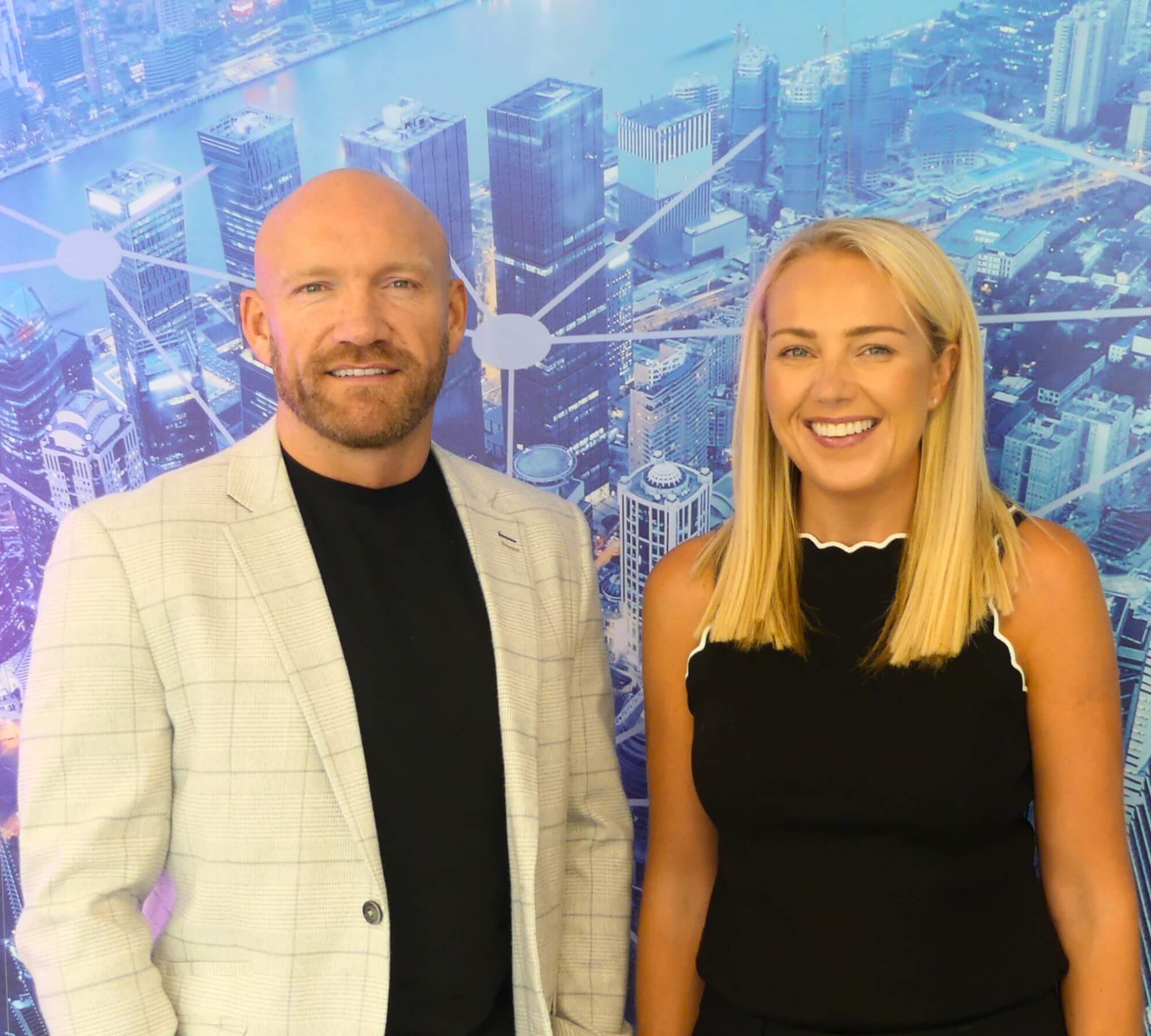
Founded in 2014 by wife and husband Debra and Derek Phillips, this Starlink reseller saw average monthly headcount swell from eight to 47 between calendar 2021 and 2024.
Its headcount has since swelled to 90, it told us.
Specialising in connectivity for businesses operating in remote locations, all its growth has been organic, Derek Philips tells us (see below).
View the wider Fast-Growth 50 here.
Q&A with Clarus Networks MD Derek Phillips
How have you been able to increase headcount in a flat market?
Our growth in headcount has been driven entirely through organic expansion. As demand for Starlink enterprise services has accelerated globally, we have expanded into new sectors while also increasing our international footprint. That growth in customers and projects has naturally required us to scale the team across sales, engineering, operations and support.
What mega trend do you think will most shape the year for your company?
The biggest trend shaping the year for us is the rapid advancement of Low Earth Orbit connectivity. Companies like SpaceX are pushing the boundaries of what satellite networks can deliver, with multi-gigabit speeds now becoming a realistic expectation. As performance continues to improve, LEO is no longer viewed purely as a backup technology and in many scenarios can now be used instead of traditional fibre. The growth of LEO connectivity as a service and satcom as a service is accelerating quickly, and that shift is driving significant demand for our solutions globally.
Which competitor or peer do you respect the most, and why?
It’s probably an obvious one, but SpaceX is a company we have enormous respect for. What they’ve achieved with Starlink has fundamentally changed global connectivity, bringing broadband to people and places that have never had access to reliable internet before. The impact that has on communities, businesses and entire regions is incredible, and connecting the previously unconnected is something that genuinely benefits humanity as a whole.
What’s a fact or quirk about your company most people won’t know about?
One thing many people don’t realise is that despite the growth of the business over the past three years, from a team of just 12 people to more than 90, we remain a privately owned company. Clarus was founded by my wife Debra and I, and we actually still share an office and sit next to each other every day. People often ask how we manage to run a business like Clarus and live together, but we have very different roles that complement each other well, and that constant collaboration is a big part of why the business has grown so successfully.
Does the rise of AI and automation make it less likely you’ll continue to add headcount at the same rate in the coming years?
AI and automation will help us grow rather than slow hiring down. We have our own proprietary software platform that manages LEO connectivity estates, and we are investing heavily in engineering to build more AI and automation capabilities into that platform. We are also applying automation across other systems within the business to improve efficiency and drive profitability. As a result, headcount has continued to increase, particularly in engineering and software development, and we have even spun the platform out as its own part of the business with a dedicated team and office to support its expansion.
Name one thing you have planned for the next 12 months
Over the next 12 months we will be heavily focused on the continued development of our software platform that enables enterprises to deploy and manage Low Earth Orbit connectivity at scale. The platform gives customers visibility and control of large global estates of terminals through a single interface, which has become a major differentiator for us in the market. As adoption of LEO accelerates, we are investing further in the platform and the dedicated team behind it to ensure we continue to lead in this space.