Taxing AI agents is “a key policy question we need to consider”.
At least that’s according to the CEO of SCC parent Rigby Group, who yesterday announced on LinkedIn that his company is investing in four projects aimed at ensuring the benefits of AI are shared across society.
In his post, Steve Rigby argued that the UK “may need to rethink how tax revenues are generated” as AI agents and robots increasingly take on work previously done by people.
“Should we tax robots and AI agents? A few years ago, that would have sounded like a ridiculous question. Today, I think it is a key policy question we need to consider,” Rigby wrote.
His words hold special relevance in the managed services space, where some companies openly admit they are slowing hiring rates as they lean more on AI and automation.
One MSP CEO questioned in the recent Oxygen Partner Leaders report said his company already has three times more agents than employees running.
So how do MSPs feel about the prospect of an AI agent tax?

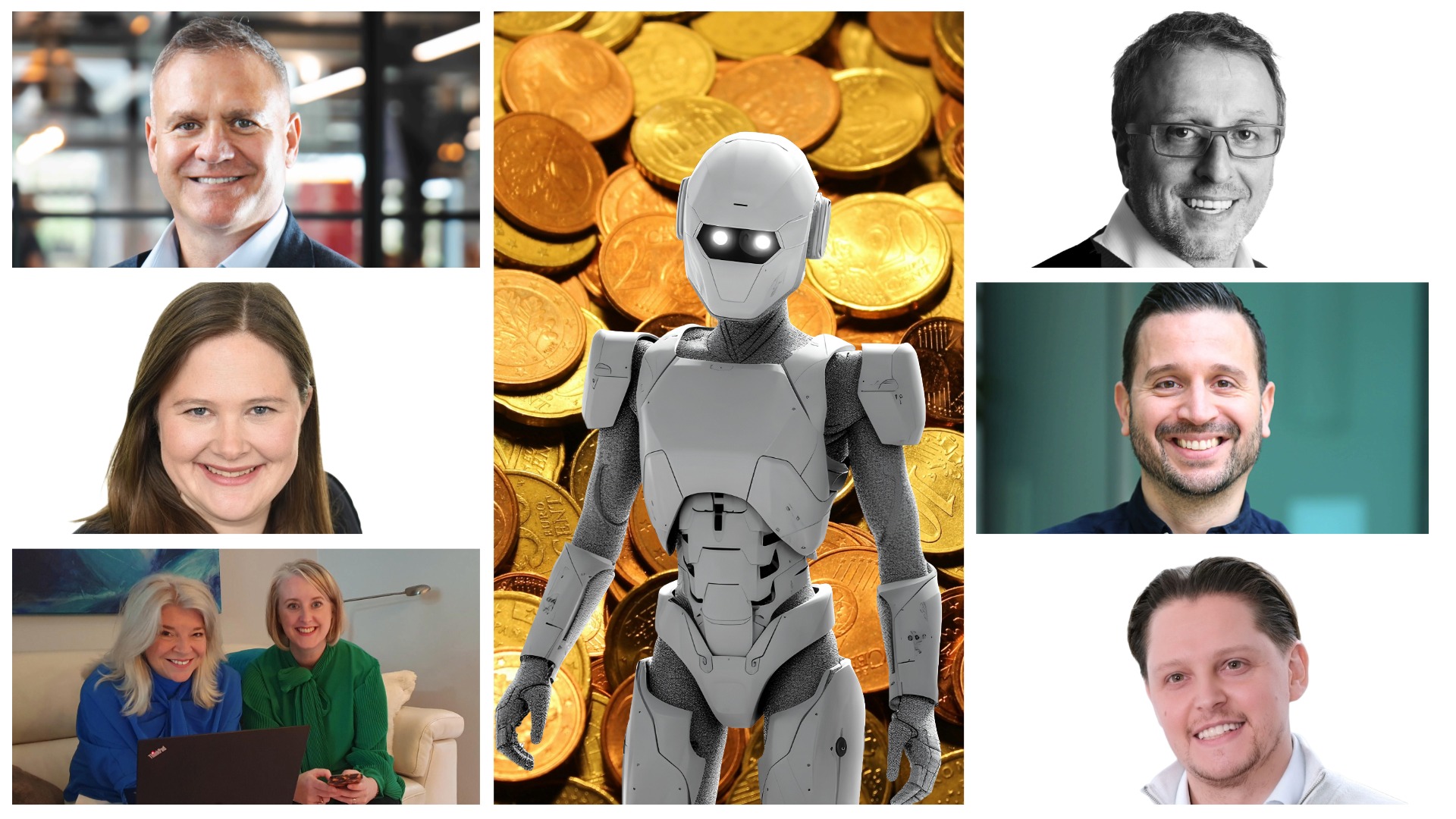
We asked leaders from Air IT, Ingentive, Shaping Cloud and Telana, all of whom expressed caution over such a measure.
“I applaud all the consideration around new ideas”

Stuart Fenton, CEO, Ingentive
As a firm who has built several thousand agents for our clients and seen first hand the impact to knowledge workers, I applaud all the consideration around new ideas, however incredible they may seem.
That said, taxation in general is far too high, and used in such ways is a rather crude and anti competitive tool.
Furthermore, office workers at today’s scale are a relatively new phenomenon over the history of work. Most of those likely impacted by AI are not really knowledgeable at all, but merely workflow where software and computers have yet to be able to replace. To date, the rise of technology has not reduced accountants, lawyers or office workers. It has led to an explosion of office workers. In many cases, unnecessarily so.
The impact of AI on human workers is not yet clear to me other than people will do very different things within businesses as people are not really that efficient in the office anyway. The key will be to lean into the areas where people are great and AI is not.
Article continues on following page…