
IT apprentices have become “unaffordable” for smaller MSPs, according to a digital skills entrepreneur aiming to fix the problem with her new charity.
Louise Campton launched the Future Ready Foundation last year after growing more concerned about the UK’s NEET [Not in Education, Employment, or Training] crisis.
MSPs and other small businesses are becoming less inclined to take on apprentices due to a combination of spiralling salary costs and concerns today’s school-leavers lack basic communications skills, she claimed.
The Future Ready Foundation solves this issue by “slowly” moving young people towards the jobs market, she explained.
“They just can’t afford the salary”
MSPs can get involved by sponsoring the young people it is developing and shaping the curriculum it is building into the West Midlands Baccalaureate (WMBac), Campton said.
“MSPs won’t take on a new apprentice because they’re just not able to afford that salary and the on costs,” she said.
Covid-generation children leaving school today lack “real-world experience”, which Campton said is also “a massive problem for IT MSPs where their predominant role is to communicate with the customer”.
“A person who’s worked in Sainsbury’s for the last 18 months might not have the technical skills, but they’d rather take them on and upskill them because it’s an easier way to fix the problem,” she said.



The Future Ready Foundation is “the solution” to the problem, claimed Campton – who also founded and owns apprenticeship training provider Primary Goal.
“Kids that are leaving school now have got one superpower, but you wouldn’t put them in front of a customer,” she said.
“They might be great at content; they might be great at IT software development; or they’re obsessed with gaming – so that brings a load of skills there. But what you’ve got is a period of nurturing, honing in on those skills, but – most importantly – making them a communicator so they can be put in front of a customer.
“We’re training them on life skills, but it’s moving slowly, slowly towards the job market.”
“There could be a ‘Softcat curriculum'”
The Future Ready Foundation already has its first cohort of 20 children in Birmingham, and has just been chosen as the strategic charity partner for the WMBac.
MSPs can work with these young people as they steadily get up to speed, Campton said.
“I want the IT channel to get involved with this Future Ready campaign,” she said.
“Maybe they’ll want to take on one of my guys… but it won’t be on an apprenticeship until three years’ time when they’ll actually be able to tick 90% of that job description and be valuable for the money and on costs they’ll have to spend.
“We will give them that person. They might not meet them for a year, then they’ll start to build that relationship with them. It’s taking them on a much slower journey.”
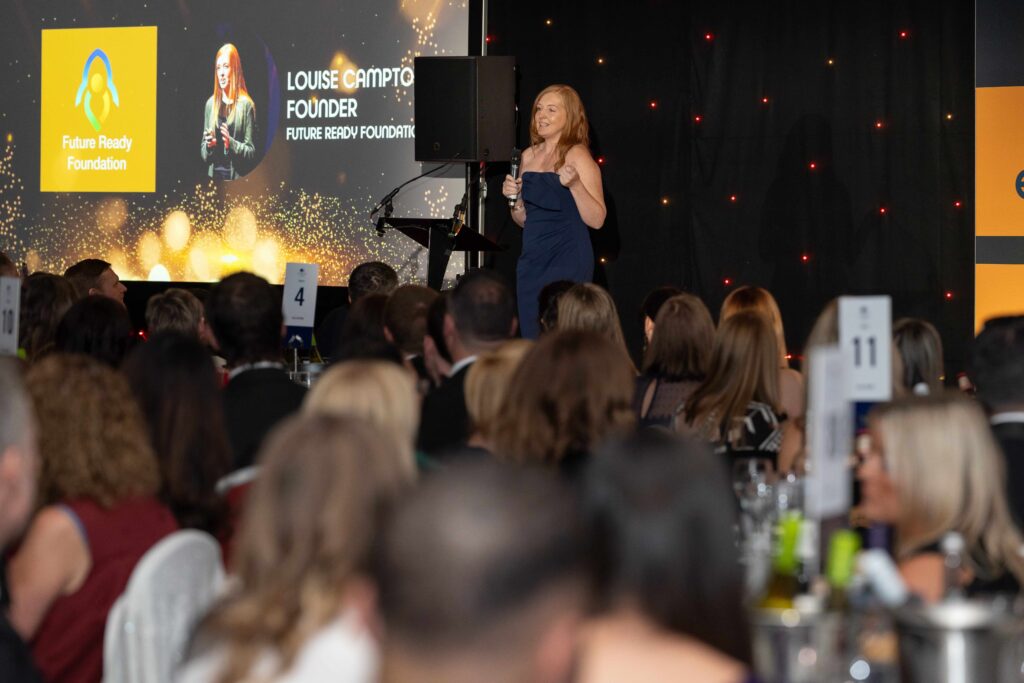
Campton urged MSPs to help her build the skills needed by the channel into the WMBac.
“There could be a ‘Softcat curriculum’ for anyone who wants to go into IT for Year 10 and 11,” she said.
In reality, the increasing unaffordability of apprentices is less of an issue for Softcat and more one for smaller MSPs who sit below the £3m pay bill threshold for paying the apprenticeship levy, Campton acknowledge.
With the national minimum wage for apprentices rising from £4.81 in 2022 to £8.00 in 2026, the annual salary and on-costs of taking on an apprentice now equate to around £26,000, she said.
“This is where this NEET crisis is coming from – in effect, we’ve outpriced our young people,” she concluded.

Doug Woodburn is editor of IT Channel Oxygen