
There’s a strange irony to modern marketing. We have never had more data, more tools, more automation… and yet somehow, less connection.
We can predict buyer intent, personalise at scale, and automate nurture sequences that run themselves. But ask most people in B2B how they feel about the brands they buy from, and you’ll likely be met with a shrug. Efficient, maybe. Reliable, sure. But memorable? Inspiring? Human? Rarely.
It’s as if in our race to make everything frictionless, we’ve scrubbed away the very thing that made business powerful in the first place: its humanity.
When the machines took over the meeting room
It feels more and more like I am sitting in meetings where every conversation about growth revolves around automation. “How can we speed this up?” “Can we get AI to do that?” “How do we make it more efficient?”
All valid questions, but something about the conversations feels hollow.
Because behind every “efficiency gain” is a quiet loss: the spontaneous idea sparked by a human conversation, the insight that comes from real curiosity, the empathy that builds trust over time.
The technology is extraordinary, but we’ve started to believe that speed, scale and precision alone are enough to build relationships. And they’re not.
Why we lost our humanity
Somewhere along the way, we confused professionalism with predictability.
We sanitised our tone, stripped away emotion, and optimised our messaging until it fit neatly into frameworks and dashboards. The result? Campaigns that tick all the boxes but don’t make anyone feel anything.
Part of this is cultural. B2B has long prided itself on rational decision-making, measurable ROI and logical messaging. The human stuff – intuition, imagination, empathy – was treated as a nice-to-have.
Here’s the problem: people don’t buy from spreadsheets. They buy from stories, from trust, from shared belief. Behind every procurement form is a person with ambition, fear, pride, pressure.
AI can automate almost everything – except that.
The forgotten superpower
To those brave few who dare to be different, humanity has become a differentiator again.
Think about it: if everyone has access to the same data, tools and insights, what actually sets one business apart from another? It’s not the technology stack. It’s the tone of voice. The honesty. The way you make people feel seen and understood.
Being human in B2B isn’t about being soft. It’s about being real.
Real means imperfect but intentional.
It means showing empathy without over-engineering it.
It means having an opinion when everyone else is hedging their bets.
Because people still crave meaning. They want to feel a pulse behind the PowerPoint.
Rediscovering connection, creativity and character
So how do we bring humanity back into business without throwing the tech out with the bathwater?
1. Connection: replace funnels with conversations
Stop talking at audiences and start talking with them. Real connection doesn’t come from a perfectly timed nurture sequence; it comes from authenticity and curiosity. Listen more than you broadcast. Let your content feel like a conversation, not a campaign.
When people feel part of your story, they stop being “targets” and start being advocates.
2. Creativity: let imagination lead again
Data gives direction, but creativity gives meaning. AI can analyse patterns, but it can’t feel the thrill of an unexpected idea. Creativity isn’t decoration it’s differentiation. It’s how you make people care.
Give your teams space to play again. Encourage the messy, the weird, the emotional. It’s often where the real breakthroughs hide.
3. Character: show up as who you are
Character is what your brand stands for when no one’s watching. It’s the consistency between your marketing, your meetings, and your culture.
Too many channel brands sound like they’re written by the same committee: safe, beige, forgettable. The ones that stand out have a heartbeat. They have tone, conviction, even vulnerability.
Because character builds trust, and trust builds growth.
Humanity as a growth strategy
The most human brands don’t just connect better – they perform better.
Research consistently shows that emotionally resonant campaigns outperform rational ones in long-term effectiveness. Creativity drives commercial results. Empathy fuels loyalty. And culture is the most powerful algorithm for sustainable growth.
In other words, being human isn’t a risk. It’s a strategy.
AI will only accelerate this truth. As more content becomes machine-generated, the value of authenticity will skyrocket. The brands that thrive won’t be the ones that shout the loudest, but the ones that make us feel something real.
The inside work comes first
If your internal culture doesn’t reflect humanity, your marketing never will. Do your people feel proud of the story they’re telling? Are they trusted to speak with their own voice? Are your teams connected by shared belief, not just shared metrics?
Because culture is the algorithm that powers growth. When people show up with belief and energy, the world takes notice.
Reclaiming the pulse
Instead of digital transformation, maybe what we really need is emotional transformation, a rediscovery of what it means to do business that moves, inspires and connects.
The irony is that technology isn’t the enemy. It’s the amplifier. The real challenge is remembering what to amplify.
So here’s a thought:
In a world obsessed with what’s efficient, be what’s alive.
In a sea of automation, be the brand that still looks people in the eye.
Humanity isn’t a relic of the past.
It’s the superpower of the future.

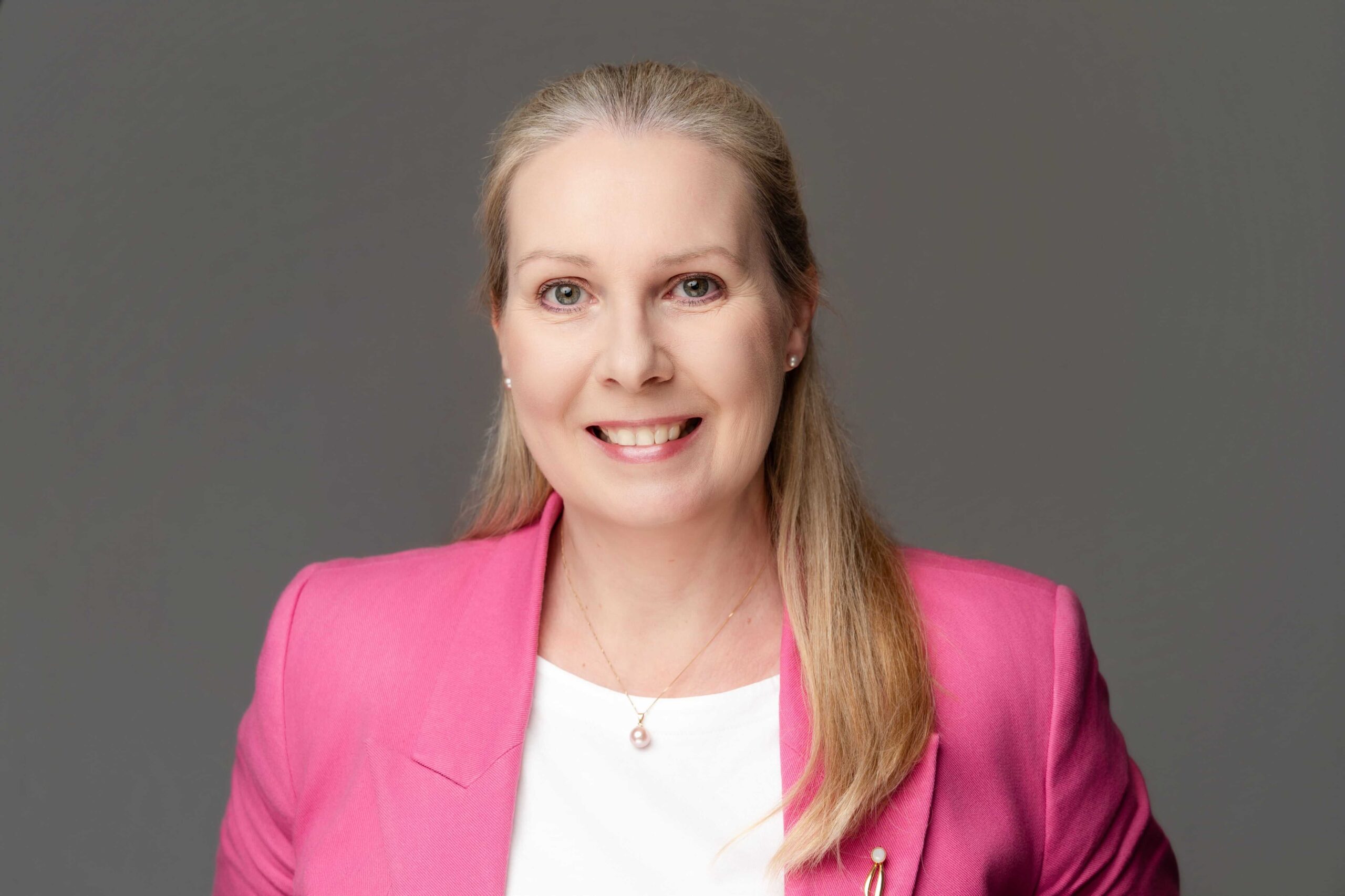
Louise Mahrra
Louise Mahrra is a marketing strategist and channel expert.
She is the founder of The Marketing Human, a blog exploring how real human connection powers better marketing, especially in the IT and channel space.