
Bell Integration’s brand was “describing the Bell of yesterday”, its CEO said as she and Bell CTO Stuart McMinn opened up on its AI-first rebrand, return to lightning growth and efforts to capture more spending outside of IT.
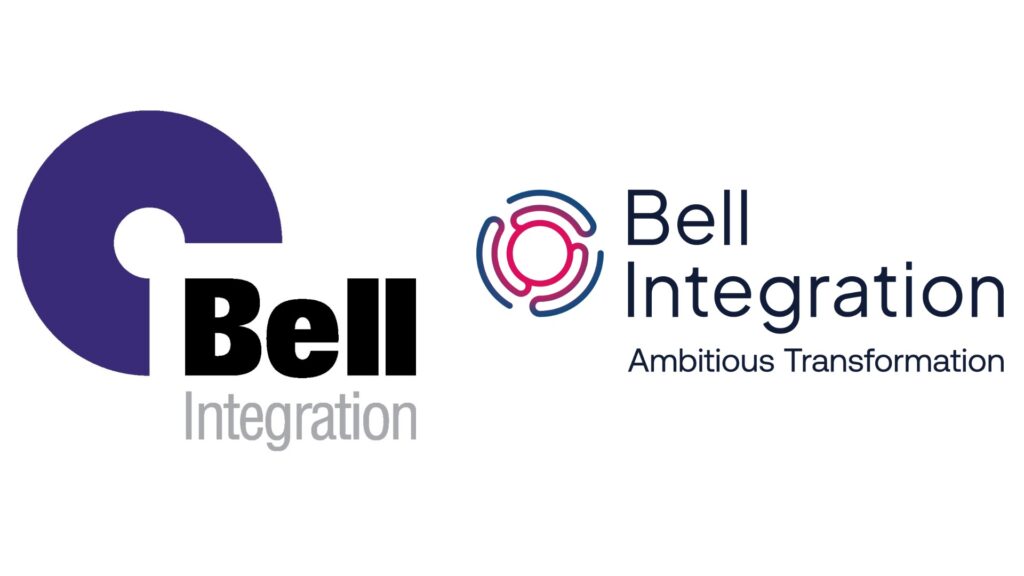
The Portsmouth-based integrator – which ranked eighth in Oxygen 250 2026 – last week unveiled a new logo and branding CEO Manpreet Gill described as “more in line with where we’re heading”.
“Over the last few years, we’ve expanded our AI capabilities, we’ve grown internationally and we’ve sharpened the focus on our core areas,” she told IT Channel Oxygen.
“Our brand was describing the Bell of yesterday, not the Bell of today.”


“A lot more budget being spent outside of IT”
The rebrand reflects Bell’s adoption of an AI-first strategy that “flips on its head” its traditional role as an IT and infrastructure provider, CTO Stuart McMinn said.
Four of the strategy’s five pillars do not relate to IT, he emphasised.
“We’re seeing a lot more budget being available and spent outside of IT,” McMinn said.
“We’ve got a CX-EX angle, where you’re talking about customer-centric digitisation and hyper personalisation using agentic AI within the contact space. Those aren’t problems that IT have; they’re problems contact centre owners and the sales and marketing teams have.


“We have another [pillar] around business orchestration. If you’ve got digital agents being deployed into finance, HR or legal, yes IT has an angle because they’re the integration point of any technology, but the budgets to drive efficiency in finance aren’t held in IT; they’re held in finance.”

This means Bell has had to “massively widen the net” in terms of the “touch points it is having to attack”, McMinn said.
“We’ve been doing a lot of work in the Middle East around the customer base there,” he said.
“When we’ve traditionally targeted a new customer, it’d be squarely in that IT space.
“But when we’ve been having those conversations [in the Middle East], it’s typically with chief data officers, chief marketing officers, sales organisations – and then obviously IT, which is still the gatekeeper in terms of security and the integration point.
“CIOs aren’t typically having the wider conversations in terms of the AI use cases within their business – I don’t want to use the word ‘plumbing’, but it’s not far off.”
Bell has not abandoned its IT roots, McMinn emphasised, however.
“Because we come from that legacy and history of being able to drive technology and deliver technology, we still have that at the heart. So it’s technology to support AI transformation, but we’ve actually got the AI transformation capabilities within that latest set of acquisitions we made,” he said.
M&A “not off the table”
Under the rebrand, Bell has adopted a more subtle colour palette for its logo and a new “ambitious transformation” strapline.
“It’s a lot more in line with our AI-first strategy and driving and helping customers adopt and accelerate their AI journeys,” McMinn said.
IBM and NVIDIA partner Bell roughly halved in size when it span off its procurement arm, Nomia, in 2024, with fiscal 2025 revenues coming in at £508m.
But its fiscal 2026 haul leapt by more than 40% on that tally, Gill indicated.
“Technology demands around AI drove a lot of that,” she said.
Having acquired US-based AI outfit Amelia in 2024, Bell now employs just over 1,000 staff across hubs in the UK and Europe, US and GCC, as well as India.
Around 60% of its headcount is based in the UK. Its key verticals including financial services, techco, telco, healthcare and oil and gas.
Are more acquisitions possible?
“They’re not off the table. But we’re trying to really bed down the global model and focus on that and get our AI-first strategy bedded down,” Gill responded.
“And then, as and when we need to, do we build, do we buy? We’ll look at that in each region.”
Gill hailed the success of publicly listed VARs Softcat and Computacenter.
“We’re still privately held, and that’s staying for the foreseeable. We don’t shout about it, but it is a great UK success story. 31 years old, founded in Portsmouth and really growing,” she said.
“The excitement is still there, the energy is still there. I guess we just carry on doing what we’re doing.”

Doug Woodburn is editor of IT Channel Oxygen