
Scottish MSPs have cautiously welcomed the prospect of a Scottish datacentre boom, with one saying the country “needs to be part of the AI economy rather than watching it develop elsewhere”.
The government last week announced it had bagged a £300m investment in its Lanarkshire AI Growth Zone, one of five such hotspots nationwide designed to lead the UK’s AI push.
The money will enable developer DataVita to construct a second datacentre in the Scottish county, with the wider zone set to support “more than 3,400 jobs”, according to the announcement.
But the project, and ones across Scotland like, are stirring up controversy over the potential environmental toll and repercussions for local residents (see here and here).
“I feel positive about this investment”
While sharing these concerns, Scottish IT solutions providers we spoke to cautiously welcomed the prospect of the country becoming central to the UK’s AI fightback.
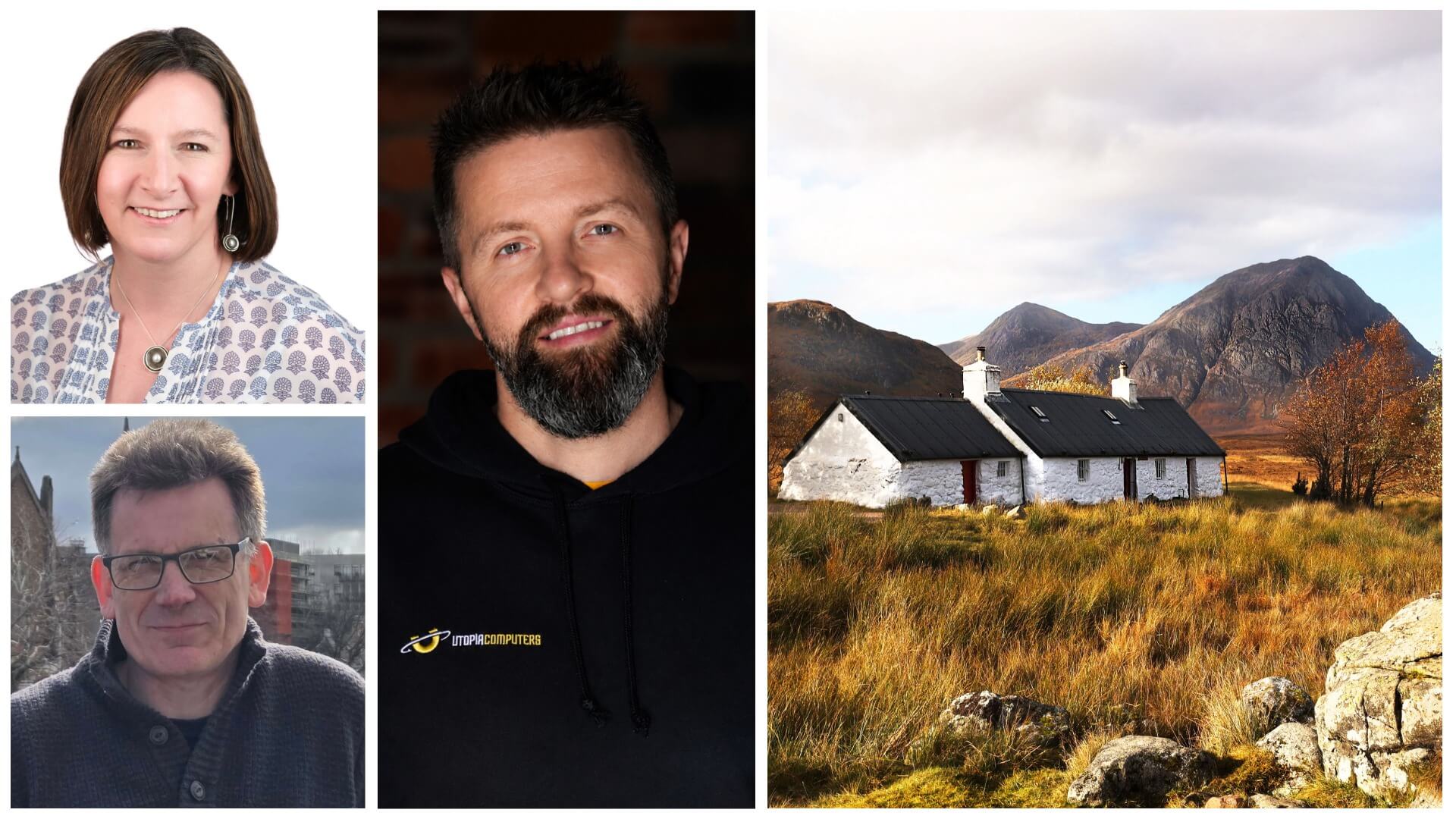
“There’s no doubt that Scotland needs to be part of the AI economy rather than watching it develop elsewhere,” Amanda Stewart, Founder and CTO of Edinburgh-based MSP Illuminate told IT Channel Oxygen.

“If we put security, environmental resilience, and meaningful community benefit at the heart of the planning process, Scotland has the chance not simply to host more AI infrastructure, but to become a world leader in building this infrastructure responsibly,” Craig Hume, MD of Kilmarnock-based PC builder Utopia Computers added.
David Massey, Founder of Inverness-based WePurpose Technology agreed, saying “overall, I do feel positive about this investment for Scotland and its IT sector.”


“This investment is an amazing opportunity for Scotland to have native AI infrastructure and a zone focused on skills to be developed and retained in Scotland,” he said.
“My biggest concern”
Local IT providers we spoke to shared many of the same concerns being voiced by environmental groups and residents, however.
Illuminate’s Stewart flagged the environmental cost – specially the pressure these facilities could place on local power infrastructure – as her “biggest concern”.
Any large-scale development would need to “strike the right balance between economic growth and protecting green space”, she added.
“For me, the real test of success will be whether this project creates lasting, high-quality employment, supports local education and skills, delivers genuine community benefits and proves that large-scale technology investment can be done sustainably,” she said.

“Scotland has a real opportunity here to show the way by building AI infrastructure responsibly, with renewable energy, careful planning and local value at its heart,” Stewart added.
“If we get that balance right, the Lanarkshire AI Growth Zone could become a positive example of how economic growth and environmental responsibility can work together.”
Hume concurred, saying Scotland should plan datacentres around clean power, future grid capacity and the wider needs of the energy system.
“And the benefits need to extend beyond the datacentre itself,” he said.
“If communities are providing land, infrastructure and natural resources for nationally important projects, there should be a clear benefit in return, whether that’s investment in schools and digital skills, apprenticeships and well-paid jobs, public spaces, or helping our town centres adapt and regenerate.”

Massey was left wondering whether local tech businesses will find it harder to hold onto staff as bigger companies move in, meanwhile.
“I am not too sure what this will actually mean for MSPs in Scotland, but it may impact on resource availability as people are attracted to possibly higher value job opportunities that may come out of this investment,” he said.