
Three partner categories are making hay from the current AI boom in the form of distributors, specialist AI partners and large VARs, an analyst has asserted.
Talking at last week’s Canalys Forums EMEA, Omdia Chief Analyst Alastair Edwards acknowledged that not all partners are on board the “rocket ship” that is the 2026 global tech market.
Although Omdia forecasts the top 18 technology vendors across hardware, software and services to grow 35% to $3.2tn in 2026, over half of channel partners the analyst surveyed in Europe expect revenue to decline or remain flat in Q3, Edwards said.
Distributors dazzle, specialists sparkle
In the current complex pricing and environment, distributors are “coming into their own”, Edwards said, however, in a nod to the 37.7% revenue growth logged by TD Synnex in its latest quarter.
Distributors are playing a “critical role” in creating availability and supply but also in bankrolling “massive” AI datacentre projects that are beyond the financing prowess of the average reseller, according to the analyst.
Specialist partners are a second category profiting from the current backdrop, Edwards said.
“The more specialised the partner, the more successful they’ll be – particularly in AI, in terms of building the architectural and services piece around that, but also security, networking and datacentre.”
Victorious global VARs
Immediately before Edwards took to stage, Canalys founder Steve Brazier called out European VAR trio Computacenter, Softcat and Atea as the three “standout” performers for the channel this year.



“The money in AI today for the channel is in building the datacentres, not in developing AI services,” he said in a comment that sparked push back from other analysts on the day.
Edwards agreed with Brazier to the extent that he fingered the “largest VARs” as a third partner category that is “outperforming” as they capture the largest infrastructure and datacentre deals.
“What defines success for datacentre partners is deep levels of technical expertise, configuration capability and employment skills – and those who are doing this at the global level are the ones that are winning,” Edwards said.
This trend lies behind Softcat’s blockbuster $1.05bn acquisition of GDT and Computacenter’s string of North American purchases, as well as the recent European expansion of US VAR AHEAD, Edwards opined.
“Some of those larger partners are becoming more global. They’re expanding their reach. They’re acquiring. But we’re also seeing some of the US channel partners now moving into the European region,” he said.
Glum GSIs
In contrast, SMB channels and global systems integrators are under “more pressure” right now, Edwards said.
That was backed up by Omdia Research Director Peter Bryant, who in his keynote the following day said investor patience with GSIs has “run out” following a “collapse” in their valuations over the last 12 months.
“I think, clearly, the lessons of the rise of the cloud era that everyone anticipated being learned in this new era of AI haven’t been learned at all,” Bryant said.
“Good news” for channel
Despite the drop in partner optimism this year, Edwards said he had “good news” for the channel looking forward, stressing that several imminent “industry inflection points” will be dependent on partners.
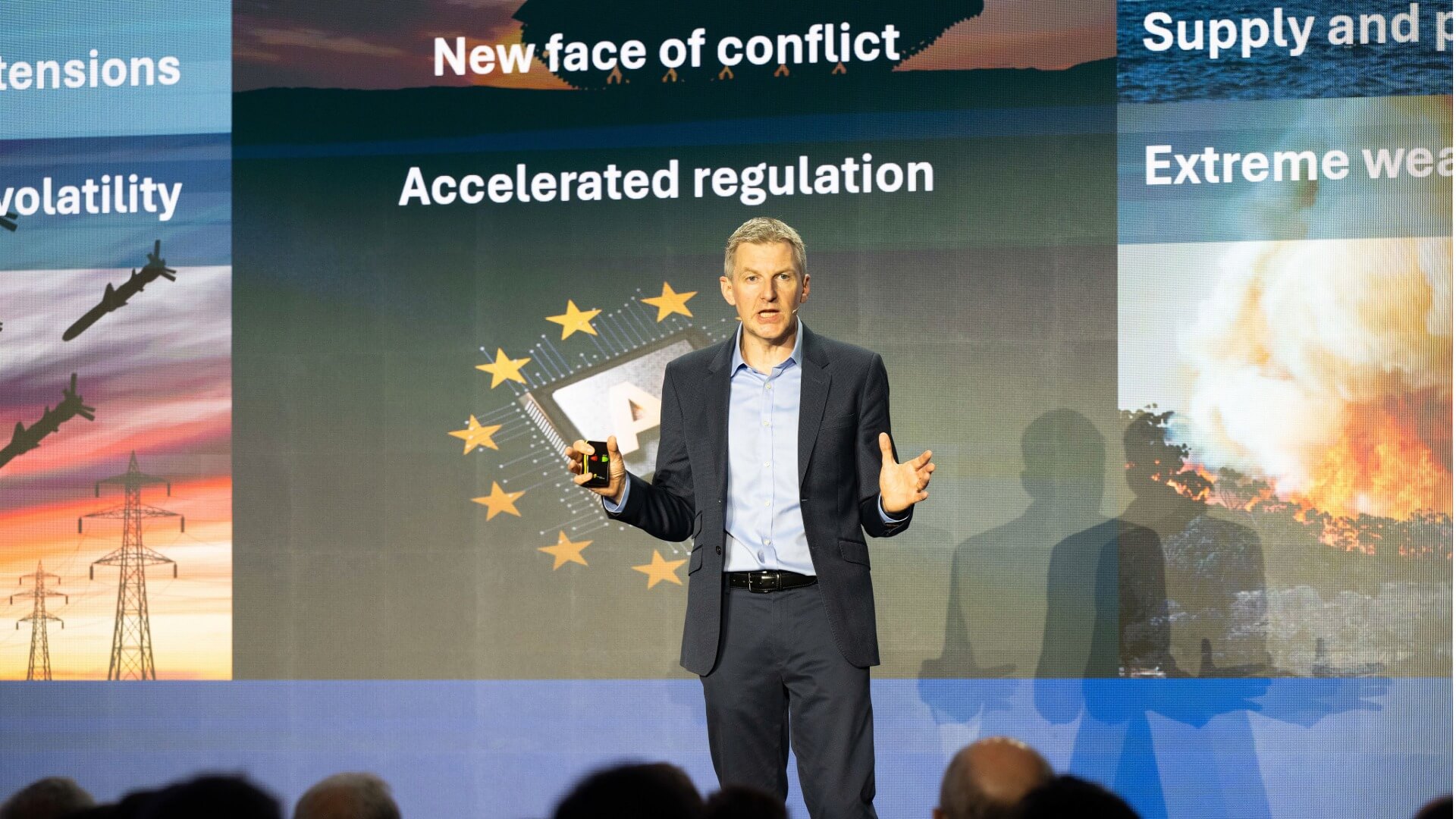
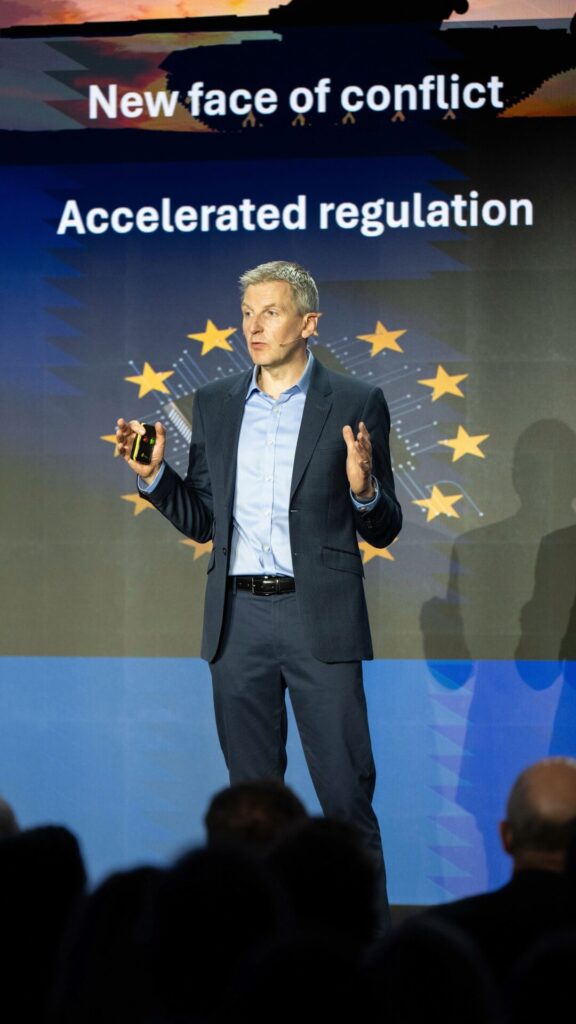
This includes how rising geopolitical tensions are reinforcing demand for sovereign IT and defence-related IT spend, the supply and pricing crisis, the acceleration of regulation and the technology investments triggered by extreme weather.
“All of these things are contributing to both the challenges that your customers are facing, but also the opportunities that lie ahead,” he said.
“Ahead of you is a new opportunity, an emerging growth driver that will bring growth for many of you in this room for those of you who are prepared and pivot towards this growth opportunity.”

Doug Woodburn is editor of IT Channel Oxygen