Sustainability advocates in the IT industry are too focused on targeting a small number of “dark-green” customers, and not enough on appealing to the masses.
At least that’s according to the founder of a Dutch social enterprise involved in Google’s new ChromeOS Flex USB Kit scheme.
Unveiled on 2 April, the ChromeOS Flex USB Kit is designed to give a new lease of life to unsupported Windows 10 PCs, thereby saving them from landfill.
Supporting the scheme is Closing the Loop, a Dutch social enterprise that provides a “one-to-one” waste reduction as a service. Its clients include the likes of Vodafone and Nordic reseller Dustin.
“Industry not offering green in an attractive way”
According to Closing the Loop founder Joost de Kluijver, Google’s new programme is a rare example of a sustainability initiative that marries idealism with commercial nous.
He cited research from Boston Consulting that found 74% of customers say they are concerned about sustainability when it comes to purchasing tech, but just 4% are willing to pay a premium.
“I think the industry is not offering green in an attractive way,” de Kluijver told IT Channel Oxygen.
“We have a huge group of customers – almost 75% – that is currently not being served correctly, because either we make that concept of green, sustainable or circular too complex, too painful or too costly.
“The type of concept Google is doing – a big brand, a big campaign – it maybe incremental change, but it’s aimed at the masses. This is who you need to approach, instead of targeting the dark-green ones with utopian stories about circularity that just aren’t interesting to the wider majority.”
“I love the guys in the channel… but they’re a bit lazy”
Closing the Loop’s role in the ChromeOS Flex USB Kit is to collect the equal amount of waste for each USB drive sold through the scheme (in countries such as Ghana and Nigeria, where e-waste is often mismanage
It recently inked a pact with Westcoast, allowing the distributor’s partners to opt into its ‘One to One’ service when a new mobile phone, tablet or laptop is purchased.
“I love the guys in the channel, but they’re usually a bit lazy, right? They don’t really want to do anything except the thing they’ve been doing so far,” de Kluijver said.
“Anything you can just simply attach to what they’re accustomed to do, such as selling hardware or services, is so much easier to start as a conversation than telling them they need to start bringing devices back.”
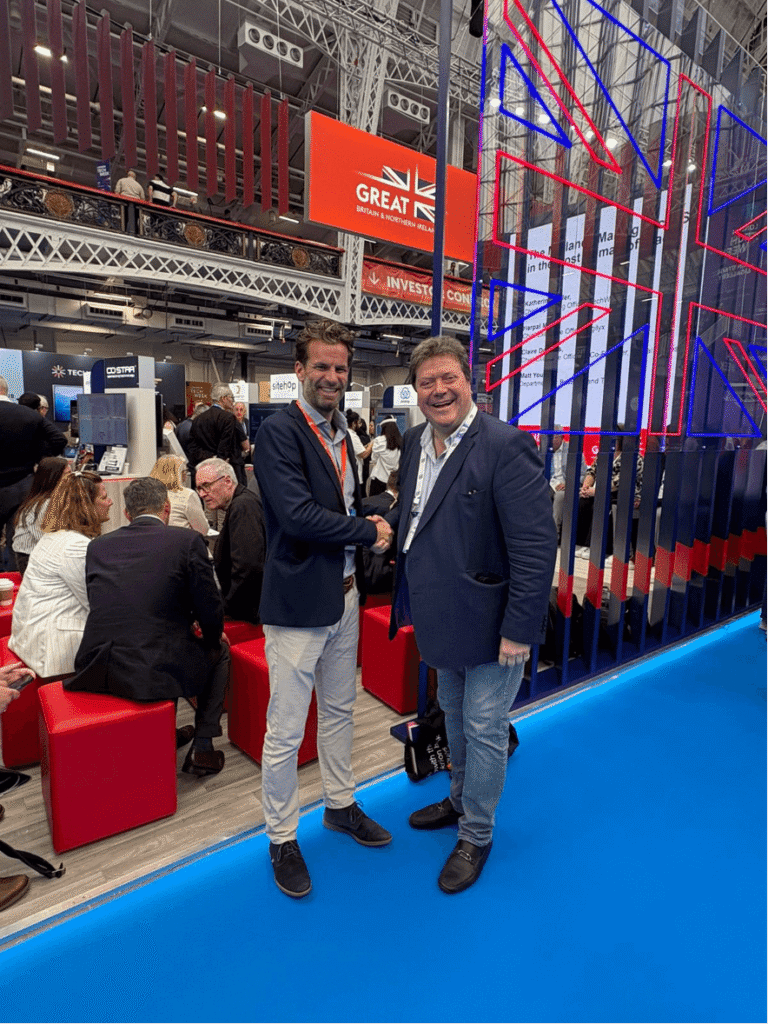
“What we’re trying to achieve is that commercial people come on board in the sustainability space,” de Kluijver added.
“The two worlds are so often disconnected. As soon as you start talking about sustainability, commercial people think it’s annoying because it’s all about reporting and compliance. And it’s the same the other way around – when sustainability people hear ‘commercial’, they think it’s all green washing.
“It’s not wrong to combine the two, because if we don’t make sustainable thinking customer centric, it just won’t work. Commercial people can use what sustainability has to offer to make their propositions stand out and be more attractive.
“What Google is doing is an example – how can we actually start to serve those light-green customers, instead of only coming up with the most dark-green propositions that are interesting for the 4%?”

Doug Woodburn is editor of IT Channel Oxygen