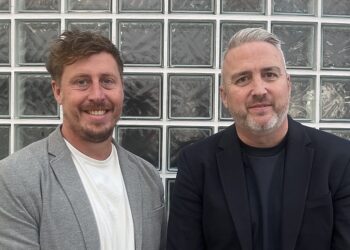
SEP2’s three founders “still have a lot to give”, its CEO stressed as he opened up on their decision to take on investment from private equity rather than sell up to trade.
The fast-growing MSSP this morning confirmed it has concluded a 15-month investor hunt by selling a majority stake to FPE Capital.
Founded in 2016, the bootstrapped, Leeds-based Google, Wiz and Check Point partner has grown to 110 staff.
“Not the route we wanted to go down”
SEP2 CEO Paul Starr earlier this year hinted it was open to taking on outside investment for the first time as IT Channel Oxygen ranked it among the UK’s fastest-growing channel partners.
Talking to us following the FPE investment, Starr said he and co-founders Tim Ward and Mike Goodwin were quick to rule out a trade sale.
“Mike, Tim and I have got a lot to give,” he said.
“With trade options, the strategy becomes their strategy. We wanted to have that support from somebody, as opposed to someone defining a strategy we go and implement.
“It very quickly became clear this wasn’t the route we wanted to go down.”
During a 15-month sale process run by Clearwater, SEP2 spoke to over 20 private equity houses, Starr revealed.
FPE’s small workforce and tight focus on software and IT services – along with its track record with MSSP Intragen (which it last year sold on to Nomios) – ensured it stood out in the process, he said, indicating the duo moved into exclusive negotiations two months ago.
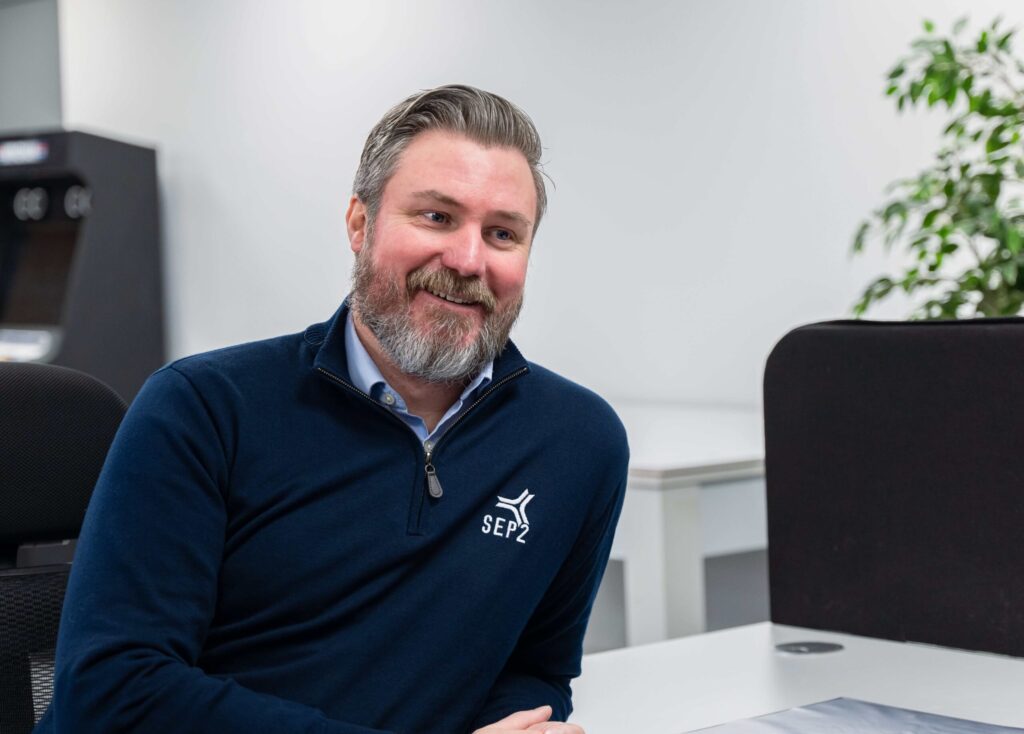
“They want to support founder-led businesses to grow,” Starr said.
“We’re still maintaining our board seats and the roles we do within the business, but we’ve got the backing of somebody that can hopefully accelerate our growth over the next few years.”
“Microsoft doesn’t stack up”
Starting off life as a reseller and a consultancy and today claiming to serve over 300 UK businesses, SEP2 morphed into the “full MSSP” it is today around five years ago, Starr said.
It now plans to “disrupt” the Microsoft MSSP space with its Google-based sovereign SOC proposition, Starr revealed.
“We want to be the number-one Google partner,” he said.
“There are a lot of MSSPs built on the Microsoft ecosystem – we want a huge part of that,” he said.
“If you’re only Microsoft, it makes sense to go down the Sentinel route. But if you put any other vendor in there, Microsoft in my opinion doesn’t stack up completely.
“That’s why Google stands out for us – they want to be an independent security company. A stat we use a lot is that 62% of our customers don’t even have other Google [offerings] like Workspace or GCP in there.”
SEP2 has a tight focus on a small handful of vendors, Starr stressed.
“You’re never going to go to our website and find a scrolly bar on who we partner with,” Starr explained.
“We want to be known as the best Google partner, and the best Check Point partner. It’s really important to us, and we want to keep that mentality.”
“I completely disagree”
Starr batted off recent claims the term ‘MSSP’ is falling out of vogue, saying the channel is crying out for more specialist players.
“I completely disagree,” he said.
“As an MSSP, we can be a specialist in cybersecurity. That’s what we do, and then we partner with some of the GCP players like Netpremacy. They know doing our job is really difficult, and equally we don’t want to focus on digital transformation or workspace.”
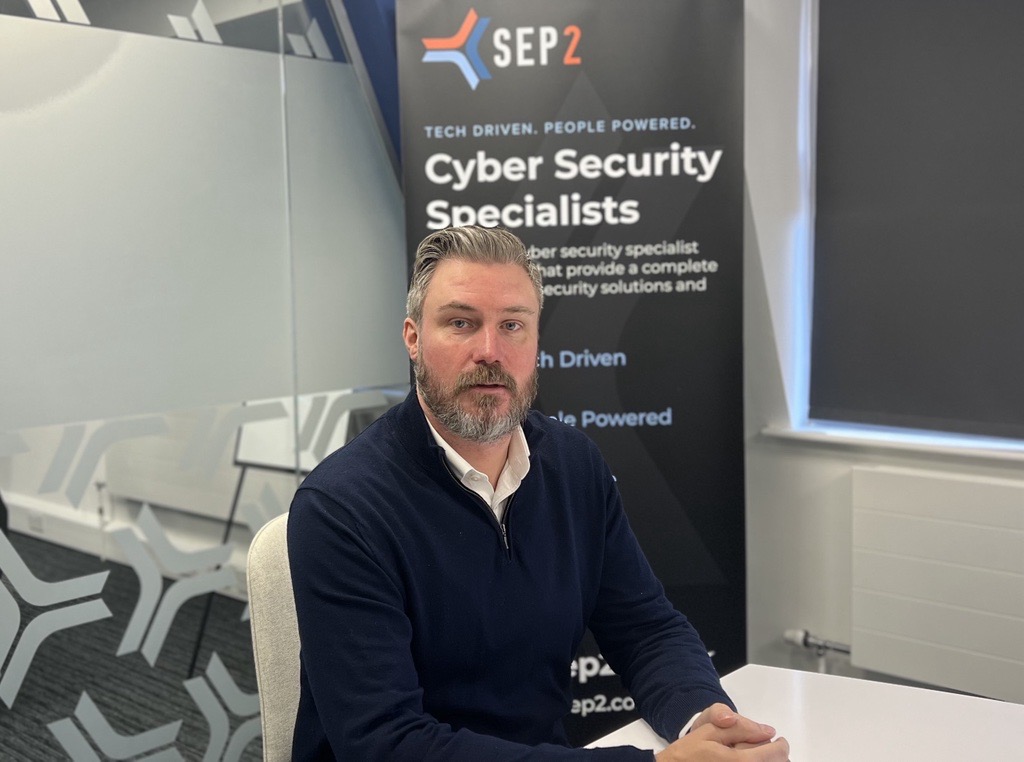
Despite counting midmarket as its traditional stomping ground, SEP2 has had some “really good enterprise-grade wins” in 2026, Starr indicated.
“With this new investment from FPE, I think that’s going to lead into more of those – so our ICP [ideal customer profile] is definitely changing,” he said.
“The threat is only getting worse – look what happened a few weeks ago with the PHP stuff. There’s some form of attack happening ever day. It doesn’t matter whether you’re a 60-70-person or a 100,000-user organisation, you’re being attacked.”

Doug Woodburn is editor of IT Channel Oxygen