Every October, inboxes fill with phishing reminders, password tips and training modules. That work matters. People remain one of the most common routes in for attackers, and a workforce that spots a suspicious email is a genuine asset.
But awareness answers only one question: how likely are we to be breached? It says very little about the question that keeps boards awake at night: what happens when we are?
The recent high-profile attacks on well-known UK retailers and manufacturers made that painfully clear. Empty shelves, halted production lines and losses running into hundreds of millions of pounds. The lesson for every leadership team was not about awareness. It was about time: how quickly an attack is detected, contained and recovered from.
Knowing is not the same as recovering
Awareness is a prevention measure. Resilience is an outcome: the ability to keep operating, or to get back to operating quickly, when prevention fails. And at some point, prevention will fail. Attackers need one way in. Defenders have to cover them all.
Modern attacks also move fast. Once inside, an attacker can go from first access to serious damage in hours rather than weeks. Many ransomware groups deliberately strike on weekends and bank holidays, when they expect fewer people to be watching. An attack that starts at 3am on a Sunday does not wait for Monday’s team meeting.
Resilience is measured in minutes, not tools
Faced with rising risk, many organisations buy more technology. Yet a bigger security stack does not make a business more resilient if nobody is watching the alerts, or if every alert sits in a queue waiting for someone to pick it up.
The better measure is time. How long does it take to notice something is wrong? To understand it? To stop it spreading? Those numbers decide whether an incident becomes a footnote or a headline.
You do not need to be a security expert to test this. Five questions to put to your team or your provider:


- Who is watching our systems right now, including tonight and this weekend?
- How long does it typically take us to detect and contain a serious threat?
- Who has the authority to isolate a device or lock an account, and how fast can they act?
- When did we last rehearse a major incident with the leadership team in the room?
- If our core systems went down today, how long until we could operate again?
If the answers are vague, that is the gap to close.
Closing the gap
Closing it starts with round-the-clock monitoring and clear authority to act. It continues with automation. In our Security Operations Centre at Bell Integration, automation and AI take on the repetitive work of sorting and enriching alerts. That frees our analysts to focus on the threats that matter and lets us respond at machine speed, while a person stays accountable for decisions with real business impact.
Resilience also lives outside the SOC. Backups that have been tested, not just taken. An incident plan that names who decides what. A communications plan for customers, staff and regulators, written before it is needed.
This is the thinking behind our Managed Detection and Response service: 24/7 monitoring, rapid containment and clear reporting, so leadership teams know where they stand before, during and after an incident.
Cyber Security Awareness Month
….. is a good moment to ask how aware your people are. It is an even better moment to ask how resilient your organisation is. Awareness lowers the odds of an attack succeeding. Resilience decides what happens next.
This article was produced in association with Bell Integration and is classified as partner content. What is partner content? See more here.

Dr Belal Asad
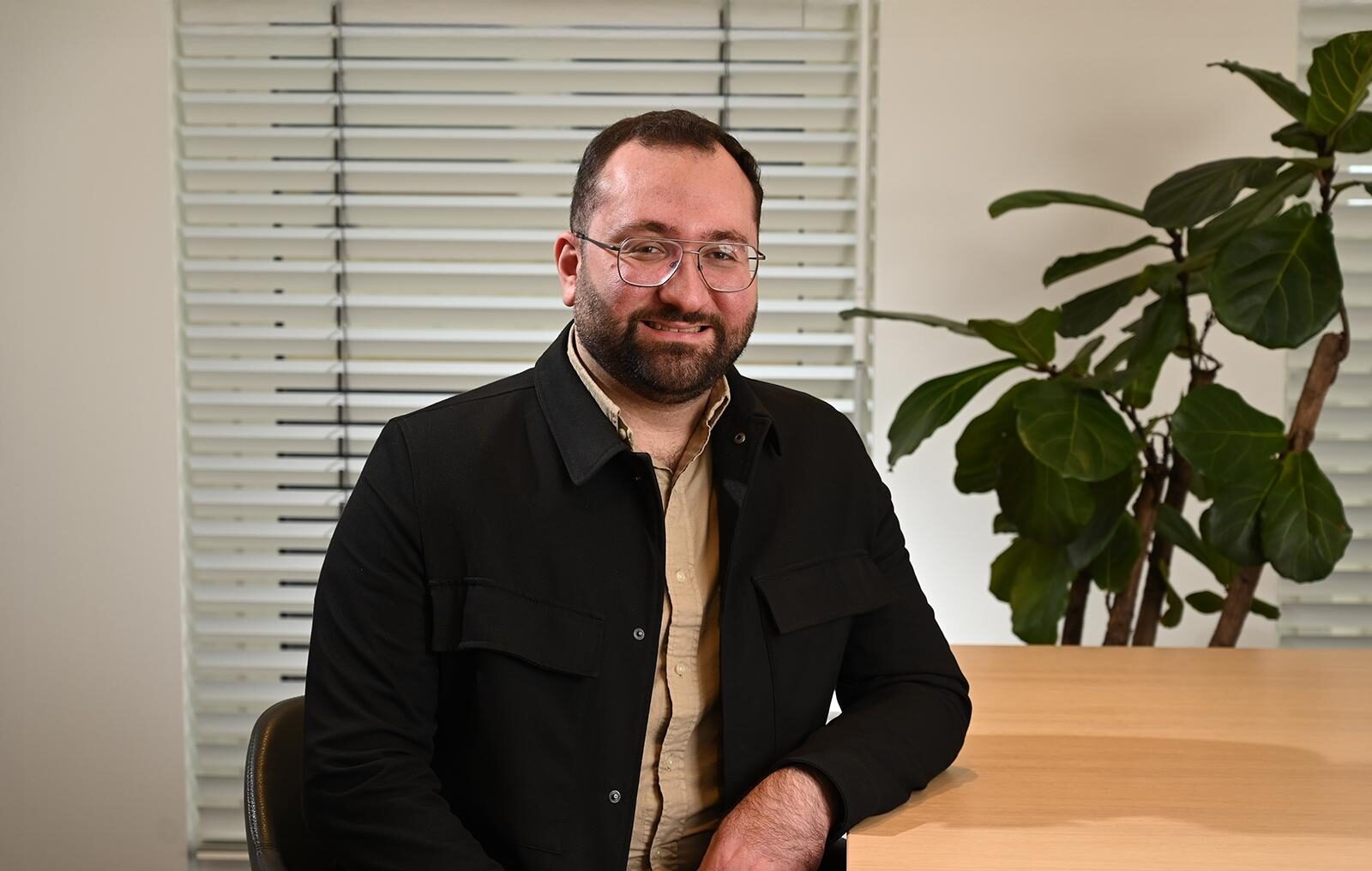
Dr Belal Asad is SOC Manager at Bell Integration, where he leads a team of 15 analysts and engineers delivering 24/7 Managed Detection and Response. His career spans Capgemini, LRQANettitude and S&W, and he is now building an AI-driven Security Operations Centre designed to detect and contain threats at machine speed. Belal holds a PhD in AI-Driven Resilience from the University of Southampton, where his research focused on detectingDDoS attacks in IoT environments. He is a certified Microsoft Azure Security Architect Expert.