More channel leaders will lose their jobs in 2026 than ever before, a recruiter has predicted following a week in which three top UK channel partners swapped CEOs.
Although the motives were different depending on each case (with some down to natural leadership successions), last week saw Node4, Nasstar and Roc Technologies all announce new head honchos, hot on the heels of similar moves by Kerv and Cisilion.
According to Marc Sumner, CEO of recruitment firm Robertson Sumner, the leadership refresh frenzy began in mid 2025, has accelerated in 2026, and shows no sign of slowing.
“You will see more leaders lose their jobs this year than ever before,” he told IT Channel Oxygen.
“And those who don’t adapt will struggle to get back into the market.”
“This is about future proofing”
On the same day last week, Node4 and Nasstar unveiled Neil Muller and Chris Halbard as their new CEOs, with the latter confirming predecessor Paul Cosgrave is stepping down from the top job to focus his attention on new senior advisory roles. Roc Technologies reinstating Matt Franklin as its CEO following a four-year hiatus.
SCC UK, XMA, and Espria are among the other Oxygen 250 outfits to have ushered in new CEOs in 2026 (see here and here).

The shift is being driven by more than just performance, Sumner stressed.


“Yes, results matter, but this is about future proofing,” he said. “AI, changing go-to-market strategies, and a new wave of younger talent are forcing businesses to rethink what leadership looks like.”
Boards and owners are now “taking a hard look at whether their current leaders are fit for the future”, he claimed.
“Every board is asking: is this the person to take us beyond 2026? If not, they’re acting now,” Sumner said.
“It’s bonkers”
Asked to what extent his position as a recruiter colours his messaging on the need for leadership changes, Sumner stressed he is just stating the facts.
“I haven’t got an agenda to create more roles,” he said.
“I’m getting more CEO candidates who I can’t get jobs for than I’ve ever had before – I can’t handle all the calls. It’s impossible.
“There are more CEO changes than I’ve ever seen in 25 years of recruiting. They’re saying, ‘I’ve got rid of him; I’ve got rid of her; I’ve got rid of him,’ – CROs, COOs, Sales Directors… all just changing.
“They just don’t feel they’re able to deploy the workforce moving forward, as we go into next year. ‘Can this leader lead a workforce with the advancements of AI and performance? No’…. and they change it – and it’s going to continue.
“I’ve never seen anything like it since I started the company in 1999 – it’s bonkers.”
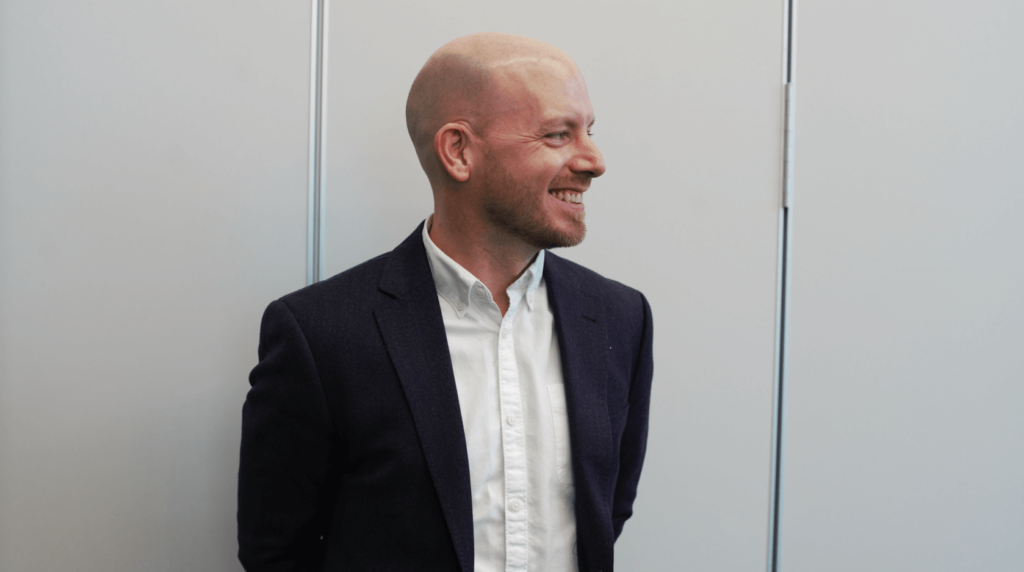
Sean O’Shea, founder of consultancy Craft Your Culture agreed, saying he’s seen more leadership changes at tech companies over the last six months.
This is “largely due to the recognising that different capabilities are required by leaders to steer companies through the next period,” he told IT Channel Oxygen.
“From listening to boards on this topic, my understanding is that leaders able to steer through significant adversity, challenge the status quo internally in order to innovate and attract the brightest talent are seen as critical ingredients now,” he said.
“Applying a proven model and holding to that rigid structure is perhaps less appealing than it once was… I think this makes sense personally as companies need to adapt faster to the 4 big disrupters (tech evolution, changing customer expectations, disruptive competition and geo political chaos). So you need leaders to build environments that enable people to navigate this successfully.
“My guess is we will continue to see more change across 2026 at an executive level.”

Doug Woodburn is editor of IT Channel Oxygen