
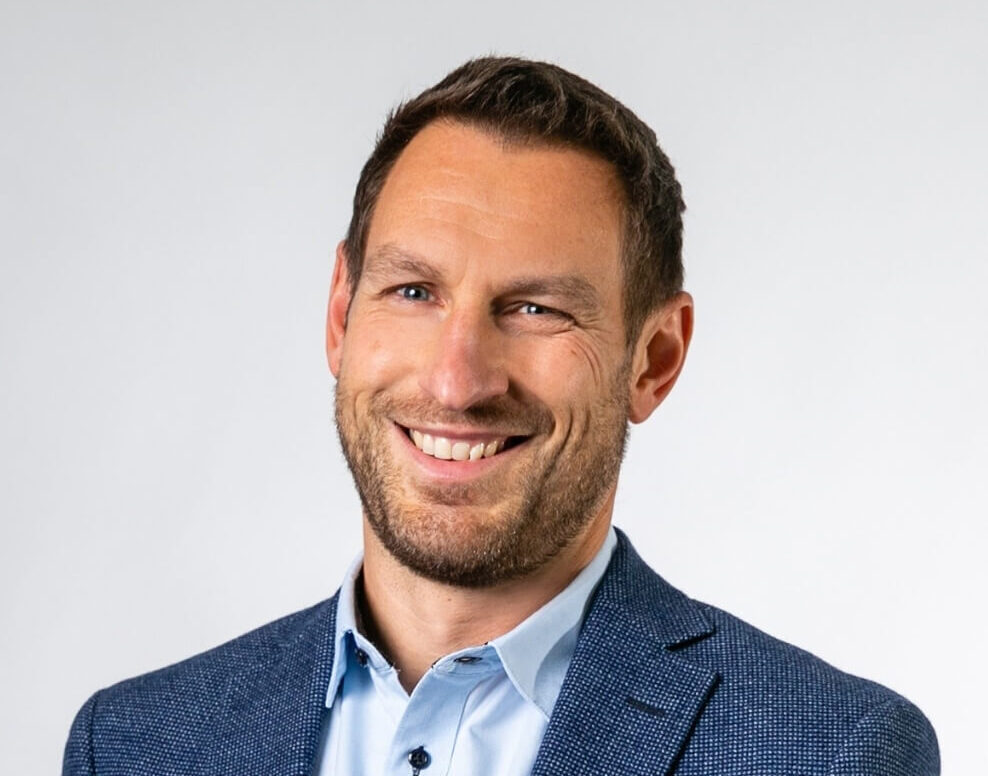
Hi Graham. You characterised the results as “exceptional”. Is there any number you’d care to call out from all those numbers in this morning’s results?
The main thing for us is doing 25% GP [gross profit] growth on top of the 18% we did the year before. That’s why we called them exceptional.
The other thing I was really pleased to see is that the strength of the offering we’ve got isn’t just resonating with existing customers; it’s pulling more new customers into the fold as well. New customer growth was the fastest rate it’s been I think for four or five years.
Computacenter’s UK business broke the £2bn sales barrier in its first half, putting them neck and neck with Softcat again. Does that market share battle mean anything to you at all?
It’s always nice to be at the top of any tree, but there is room in this market for all of us. Computacenter and us compete in some areas and we don’t in lots as well, so it’s nice, honestly, to see our industry doing well – whether it’s Computacenter or Bytes.
It’s not about competing against Computacenter, it’s about doing good work for customers, and if we look after that we will continue to grow fantastically well.
You said in your results commentary that the memory shortages have given Softcat an opportunity to shine. Why is that?



Customers are now thinking, ‘Wow, if I get this wrong, if I invest in the wrong places, get the wrong solutions, my job’s on the line’. When a customer’s facing those worries, we can help them better than anybody.
We’ve got the solutions capability, deep architectural capability, access to best prices and access to genuinely whole-of-market solutions.
You’ve seen that in the growth with existing customers, but you’ve seen it in the acceleration of new customers coming to us to get the benefits of that as well. That’s why I think we’re shining so brightly in this market, but I don’t think it goes away – it builds.
What are you currently hearing about how long the shortages will last?
I think this is a new normal, certainly across calendar ‘27 and probably beyond. I think we’re in a memory chip supply-constrained environment for at least that that period.
What I do think will happen is there’ll be huge evolution and innovation in how AI software works, how it starts to use narrower data sets for more specific tasks, which will help moderate some of the demand as well. But I think the power of technology, the power of what AI brings, and how applications will develop, will mean the world will consume all the hardware it can produce for many years to come.
Interview continues on following page…