1. Kerv
Headcount in latest accounts: 746
HQ: London
Date of certification: August 2025
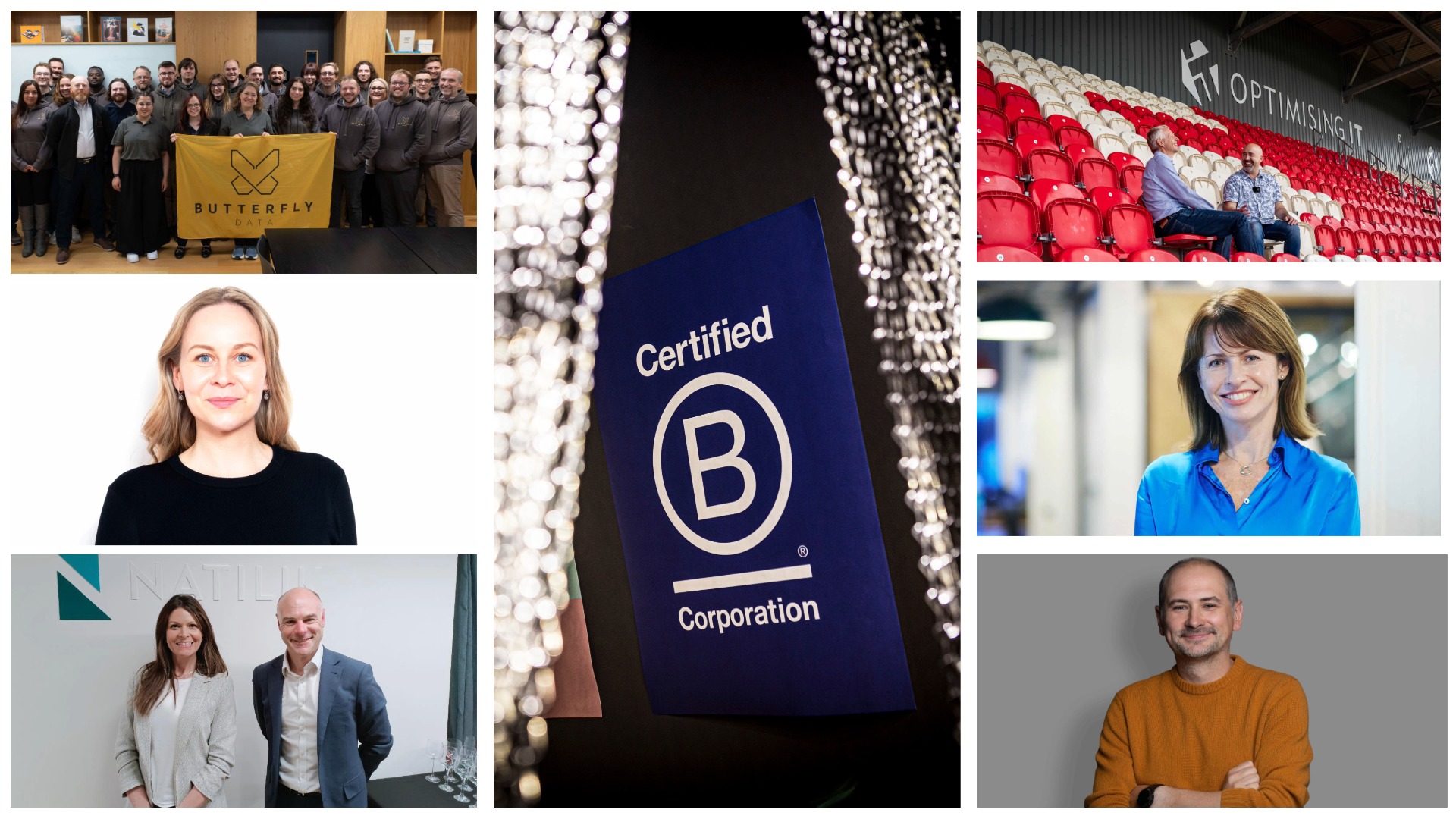
With revenues of £108.9m and nearly 750 staff, Microsoft, Genesys and Citrix partner Kerv became the UK’s largest MSP B Corp when it passed muster last August.
Talking to IT Channel Oxygen below, Kerv’s Francis Thomas said B Corp’s “recognisable, consumer-grade, nature” made it “the best way to articulate” that it prioritises sustainability and other factors such as organisational culture.
The process took nearly three years, he revealed.
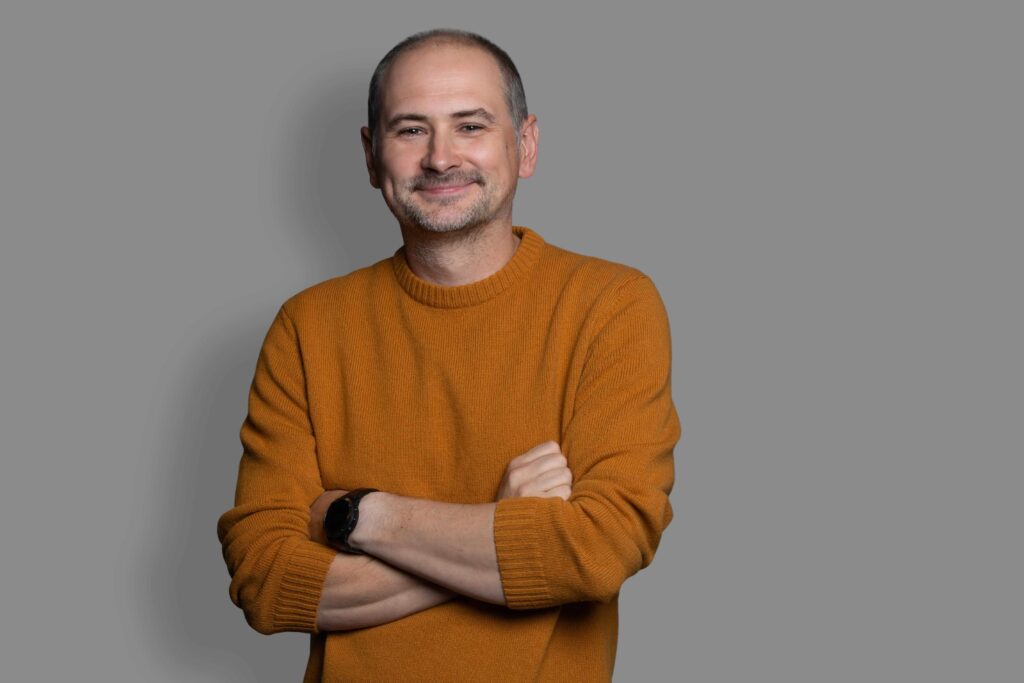
Q&A with Kerv Chief Sustainability Officer Francis Thomas
What was your main reason for becoming a B Corp?



Clear accountability and intent. We considered many different standards and accreditations before aligning with B Corp, and it won out due to its progressive perspectives, open (not-for-profit-driven) evolution, and robust assurance.
B Corp is perhaps best associated with consumer goods brands. Does it really make sense for an MSP or IT solutions provider to have it?
It made complete sense to us! As a transformative digital technology provider, we fundamentally shape how organisations operate, scale, and behave. We’re acutely aware of the influence our engagement has over sustainability, accessibility, security, digital inclusion, and organisational culture. So the recognisable, consumer-grade, nature of the B Corp brand felt like the best way to articulate that we take those responsibilities more seriously than most.
What’s the main benefit of becoming a B Corp?
The B Corp Impact Assessment is an incredibly valuable framework for any organisation. It’s a free tool that supports deep and inclusive organisational maturity across governance, people, community, and environmental impact. However, combing it with becoming a B Corp, which takes evidence-backed independent scrutiny, provided us, our customers partners, and employees the benefit of knowing our commitments are genuine.
How much time and money did it take?
More time than direct cost. It took nearly three years in total, however there was a B Lab pause in there while they worked on some v2 policies they wanted us to accredit under. We didn’t stop evolving the business during that time, which is probably why we passed with a ridiculous score of 109.7. The certification fee and annual contribution vary depending on revenue, and it’s meaningful for an organisation of our scale.
What was the hardest aspect of becoming a B Corp?
There were lots of challenges working hundreds of changes into the business, touching practically every department, but the forced introspection around managing controversial clients was the hardest thing to address. Implementing guardrails for customer selection and being prepared to walk away from revenue if it that didn’t stack-up, takes a rare management team.
Do you have any constructive criticism of the process?
We certified on v1.6 of the standard, and that didn’t naturally integrate with our more structured ISO-centred (risk and control driven) BMS. That version also permitted accreditation if you reach the 80-point threshold, regardless of where those points came from. Organisations should probably be doing the minimum sensible things in all impact areas to be accredited. Thankfully, both issues have been much resolved in the (now launched) v2 of the standard.
We also think that some of the controversial client’s engagement assessment can be overly simplistic and unnecessarily exclusive. We don’t shy away from working in some controversial industries. Our preferred approach is to make a values-based assessment and ensure we’re part of the solution – because sometimes that’s where the greatest opportunity for impact is!