
The advent of agent buyers on hyperscaler marketplaces will sap the margins of some partners while benefiting others, an analyst has predicted.
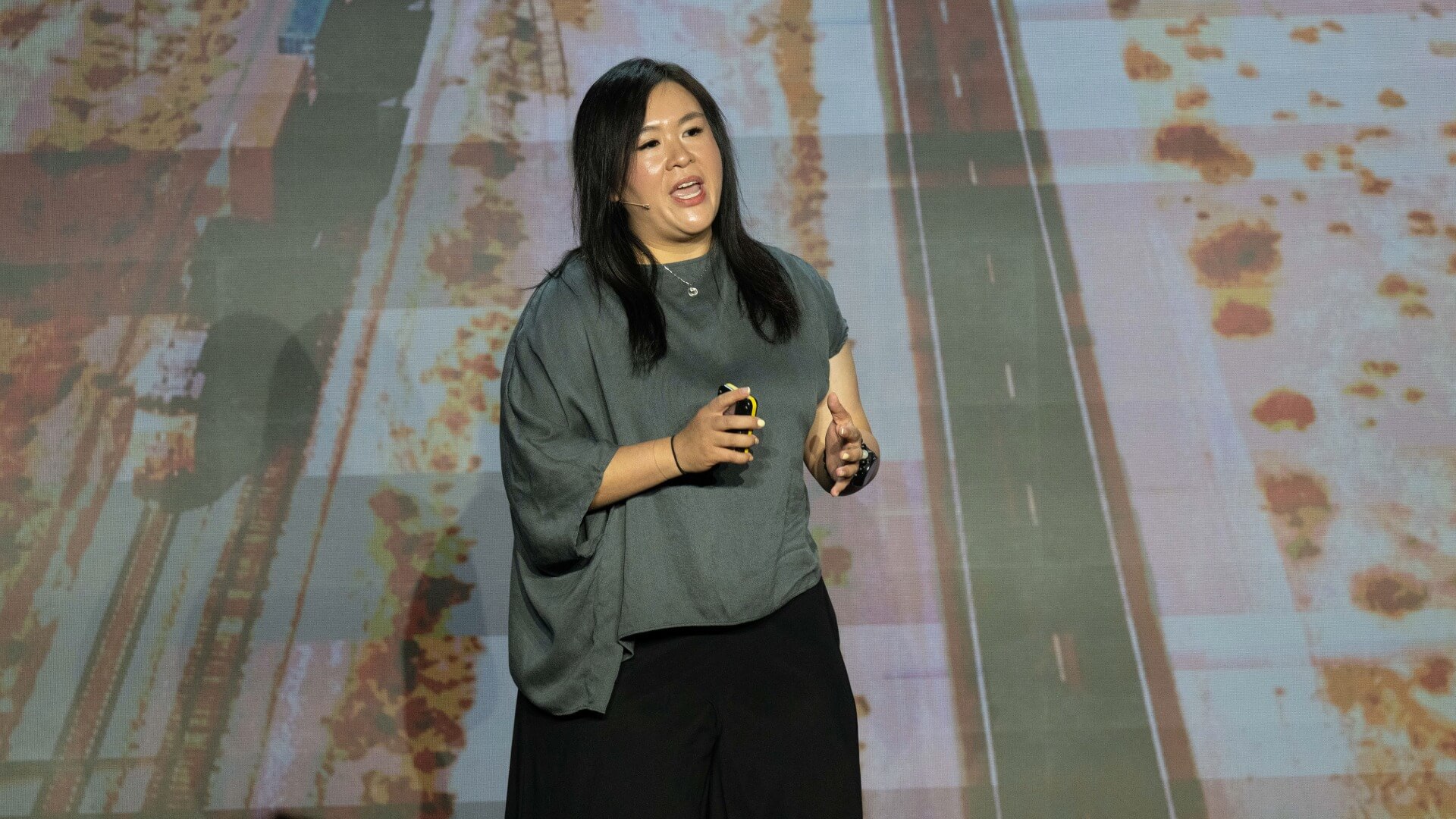
At the Canalys Forums EMEA last week, Omdia Principal Analyst Sheena Wee unveiled a prediction that 20% of marketplace transactions will by 2030 be initiated not by humans but by AI agents.
Partners are “gaining ground” on the “railway tracks” that are hyperscaler marketplaces, Wee stressed during her keynote in front of close to 1,000 EMEA partner leaders.
Omdia recently predicted that sales of third-party software via AWS, Microsoft and Google’s respective marketplaces will hit $157bn by 2030, with partners facilitating close to 60% of the total by that date (see more detailed figures here).
AWS Marketplace’s $1bn-selling club now includes not only a growing number of ISVs, but also partners such as Presidio, with SCC also recently announcing a seven-figure investment in marketplaces.
“Think of marketplaces as a railway tracks,” Wee said.
“The hyperscalers laid the tracks. Vendors, ISVs, partners, and distributors all run on it, and the traffic on these tracks is about to grow.”
“The agent can buy the product, but the partner is on the hook”
However, Wee went on to drop a bombshell on the audience when she suggested the rise of agent buyers on marketplaces could lessen partners’ ability to influence a sale.


Although there are 28 “moments” before a sale closes, agents will take the “express route”, Wee said.
This means partners who earn their money based on the influence they exert before the deal will lose margins as agents “start skipping these stops”, Wee said.

On the other hand, those who “charge for accountability” will benefit, she claimed.
“Let’s say an agent buys a data platform overnight,” Wee said.
“The next morning, someone has to make sure it works with everything else the company runs. Someone has to prove to the regulator that it’s actually compliant. And when it fails at 3am, someone has to pick up the phone – and that’s a partner. Someone has to set the rules for what that agent can buy next – that’s also on the partner. The agent can buy the product, but the partner is the one that’s on the hook.
“So the partner’s value actually moves from the influence before the sale to the accountability after it, and the money moves with it.
“Influence gets paid through resale margins, but accountability gets paid through services, through outcomes, through managed contracts.”

Doug Woodburn is editor of IT Channel Oxygen